Understanding Prop Trading Accounts: A Deep Dive
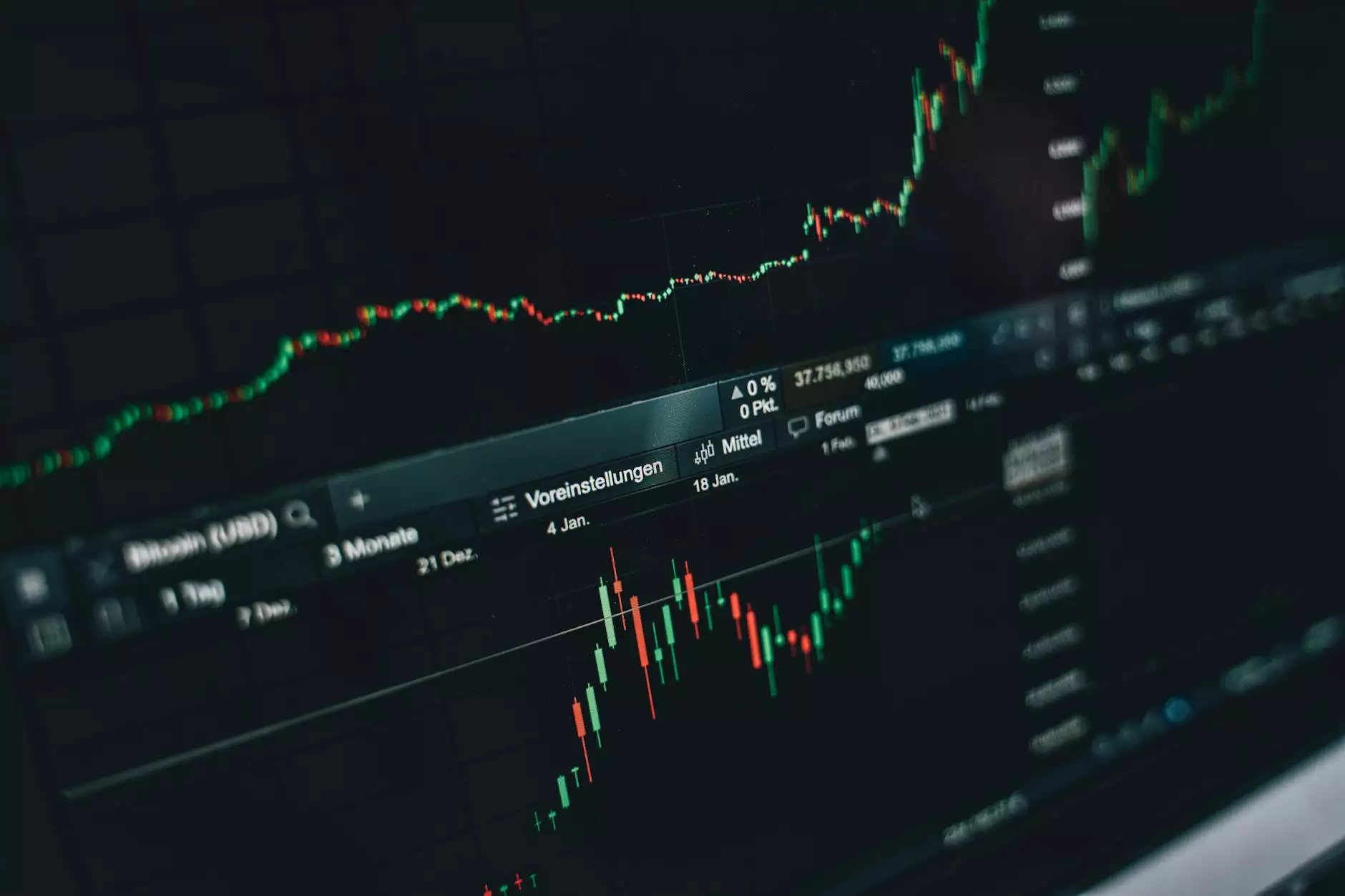
In the ever-evolving world of finance, proprietary trading accounts, commonly referred to as prop trading accounts, have emerged as a pivotal component of modern trading strategies. These accounts enable financial firms to invest their own capital, allowing for potentially high returns while asserting a strong presence in the market. This article aims to provide a comprehensive overview of prop trading accounts, highlighting their benefits, risks, and operational intricacies.
What is a Prop Trading Account?
A prop trading account is a special account utilized by trading firms to trade their own money rather than managing funds for clients. This structure allows traders to engage in various financial instruments, including stocks, options, futures, and forex, with the potential for significant profit. The key definition lies in the word "proprietary," indicating that the capital at risk belongs to the firm itself.
How Prop Trading Accounts Work
To fully comprehend the mechanics of prop trading accounts, it’s critical to understand their operational framework:
- Capital Structure: Firms allocate a specific amount of their own funds to various traders, who in turn use those funds to execute trades. This capital is not client money but the firm's investment to generate revenues.
- Risk Management: Prop firms typically implement rigorous risk management protocols to safeguard their assets. This includes setting limits on losses and carefully evaluating each trader's performance.
- Profit Sharing: Traders are compensated based on the profits they generate. Typically, a portion of the profits is given to the trader while the majority remains with the firm, fostering a strong incentive for high performance.
Advantages of Prop Trading Accounts
The advantages of employing a prop trading account are numerous and can lead to considerable benefits for both the traders and the firms involved:
- Access to Capital: One of the most significant benefits for traders is access to substantial capital, allowing them to execute trades that they might not afford on their own.
- High Leverage: Prop firms often provide leverage, enabling traders to amplify their potential returns, although this comes with increased risk.
- Expertise and Training: Many proprietary firms offer training programs, mentorship, and valuable resources that help traders hone their skills and optimize their trading strategies.
- Less pressure: Since traders are not managing client money, they can adopt more flexible trading strategies without the weight of external client expectations weighing on their decisions.
The Risks Involved with Prop Trading Accounts
While there are several benefits to prop trading accounts, it is crucial to acknowledge the inherent risks:
- Market Risk: Trading inherently involves risk; market fluctuations can lead to significant losses, especially when high leverage is used.
- Pressure to Perform: The structure of profit sharing can create intense pressure for traders to consistently generate profits, which may lead to reckless trading decisions.
- Potential for Overtrading: The desire to recover losses can lead to overtrading, where traders take on unnecessary risks, which can exacerbate losses.
Choosing the Right Prop Trading Firm
Choosing a reputable proprietary trading firm is critical for success in a prop trading account. Here are key factors to consider:
- Reputation: Research the firm’s reputation in the industry. Look for reviews, testimonials, and track record to gauge their credibility.
- Resources and Support: Evaluate the resources, tools, and training provided to traders. A firm that invests in its people generally fosters better performance.
- Profit Structure: Understand the firm’s profit-sharing structure. Ensure that the terms are fair and incentivize long-term growth for both the firm and the trader.
- Risk Management Policies: Scrutinize the risk management policies in place. A responsible firm should have measures documented to protect both their capital and that of their traders.
Comparing Prop Trading Accounts to Other Trading Models
Understanding how prop trading accounts fit into the broader landscape of trading methodologies can provide additional context:
1. Retail Trading Accounts
Retail trading accounts are typically used by individual investors to trade securities on their own. Unlike prop trading, the funds in retail accounts belong to the individual trader, and there is no shared profit model as seen with prop firms.
2. Managed Accounts
Managed accounts involve a professional manager trading on behalf of clients. Here, the profitability depends on the manager's performance, and fees are charged based on assets under management rather than shared profits.
3. Hedge Funds
Hedge funds operate as investment funds that employ various strategies to generate returns for their investors. They also manage client money, unlike prop trading accounts which utilize firm capital, which aligns for more aggressive trading strategies.
The Future of Prop Trading Accounts
The realm of proprietary trading is continually evolving, driven by advancements in technology and changing market dynamics. In recent years, several trends have emerged:
- Technological Integration: As technology advances, prop trading firms increasingly utilize sophisticated algorithms and high-frequency trading techniques to maximize profits.
- Regulatory Changes: With increased scrutiny from regulatory bodies, prop trading firms must adapt to comply with evolving regulations while maintaining their competitive edge.
- Market Adaptation: The rise of digital currencies and alternative investment opportunities presents both challenges and opportunities for prop trading strategies.
Conclusion
In conclusion, prop trading accounts serve as a compelling option for both traders and firms willing to engage in high-stakes investment strategies. By understanding their operational mechanics, benefits, and risks, aspiring traders can make informed decisions when considering entry into this dynamic facet of the financial services sector. As the market continues to evolve, those equipped with knowledge and strategic foresight will undoubtedly thrive in the world of proprietary trading.
For more information about prop trading accounts and financial services, visit propaccount.com.