In Office Hysteroscopy: Revolutionizing Women's Health
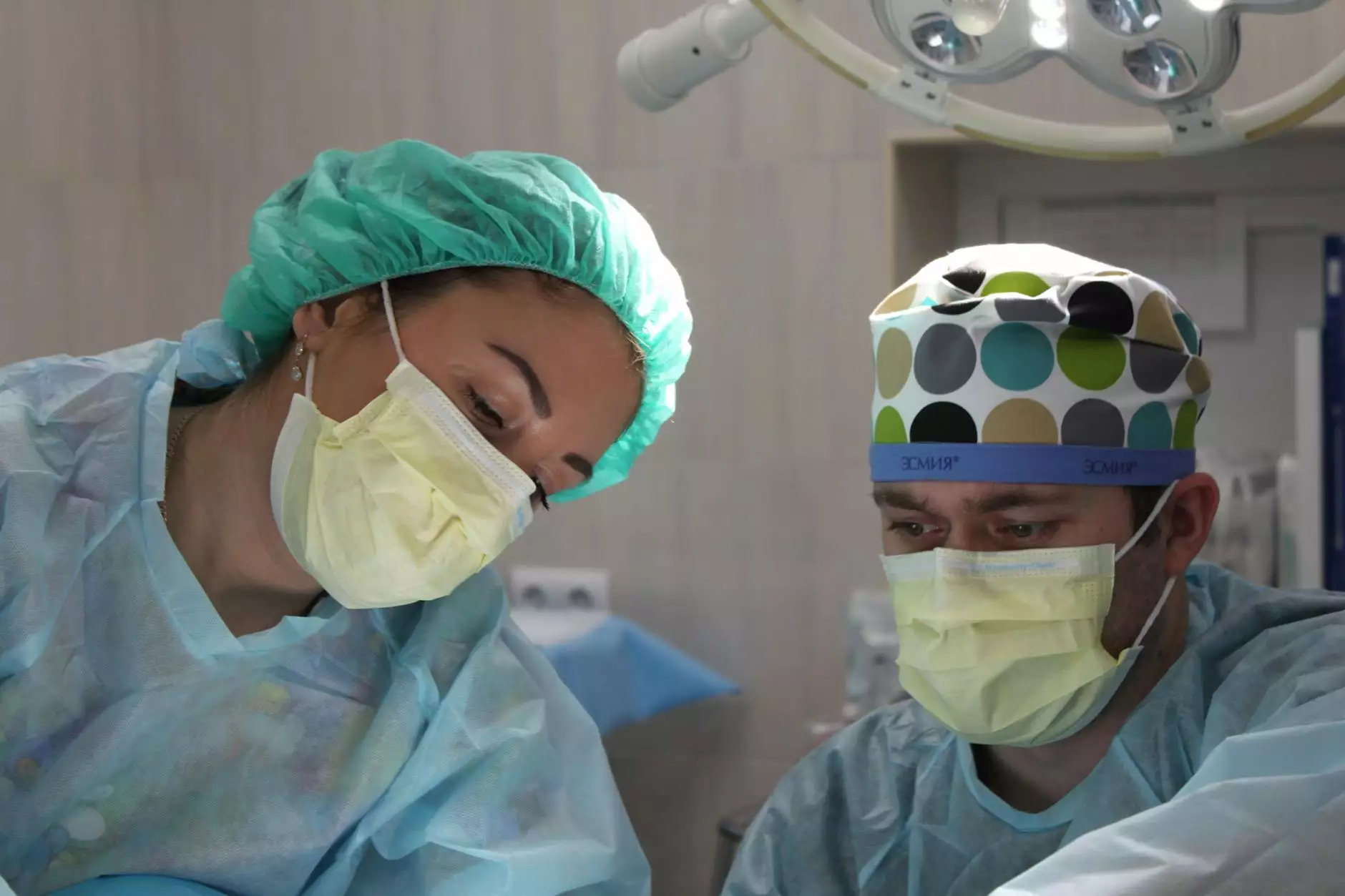
In the realm of women’s health, advancements in medical technology have significantly transformed the way several conditions are diagnosed and treated. One such breakthrough is in office hysteroscopy, a minimally invasive outpatient procedure that allows direct visualization of the uterine cavity. This article explores the intricacies of in office hysteroscopy, its benefits, the procedure, and why it is essential for women seeking tailored reproductive healthcare.
What is In Office Hysteroscopy?
In office hysteroscopy is a diagnostic and therapeutic procedure conducted in a comfortable outpatient setting, allowing gynecologists to examine the interior of the uterus using a specialized instrument called a hysteroscope. This process is crucial for identifying various uterine abnormalities, including:
- Uterine polyps
- Fibroids
- Uterine abnormalities such as septate uterus
- Endometrial hyperplasia
- Unexplained uterine bleeding
The Procedure: What to Expect
The procedure typically lasts between 15 to 30 minutes. Here’s a step-by-step breakdown of what patients can expect during their in office hysteroscopy:
- Preparation: Prior to the procedure, the patient may be advised to take certain medications to relax or manage pain. It is vital that patients follow dietary restrictions and are informed about post-procedure care.
- Examination: After the patient is comfortably positioned, the physician will conduct a pelvic examination to prepare for the hysteroscopy. A speculum is inserted into the vagina to visualize the cervix clearly.
- Insertion of the Hysteroscope: The hysteroscope, a thin, lighted tube, is gently inserted through the cervix into the uterus. The physician may use sterile saline to inflate the uterine cavity, providing a clearer view.
- Visual Inspection: The entire procedure involves meticulous observation of the uterine walls, identifying any abnormalities. This real-time evaluation allows for immediate assessment.
- Treatment (if necessary): If any abnormalities are detected, such as polyps or fibroids, they can often be removed during the same procedure using special instruments.
- Completion: After the procedure, the physician will remove the hysteroscope, and the patient can usually return home shortly after.
Benefits of In Office Hysteroscopy
Opting for in office hysteroscopy offers numerous advantages over traditional methods:
- Minimally Invasive: As a non-surgical procedure, in office hysteroscopy significantly reduces the complications associated with traditional surgeries.
- Quick Recovery: Most patients can resume their daily activities within a day, making it a convenient option.
- Immediate Results: The ability to diagnose and manage conditions during the same visit can streamline treatment plans.
- Enhanced Comfort: Conducting the procedure in an office setting often allows for a more relaxed atmosphere compared to a hospital.
- Cost-Effective: Reducing the need for hospital stays and surgeries contributes to lower healthcare costs for patients.
Who Should Consider In Office Hysteroscopy?
Women experiencing various symptoms should consider in office hysteroscopy. This includes:
- Abnormal Uterine Bleeding: If bleeding is irregular or excessive, it’s vital to diagnose the underlying issue.
- Infertility Issues: For women struggling to conceive, hysteroscopy can identify uterine issues that may impair fertility.
- Evaluation of Uterine Anomalies: Women born with congenital uterus anomalies may find in office hysteroscopy invaluable.
- Postmenopausal Bleeding: Ladies undergoing postmenopausal bleeding should seek immediate evaluation for potential uterine pathologies.
Understanding Risks and Considerations
While in office hysteroscopy is generally safe, it’s important to be aware of potential risks, which may include:
- Infection: Though rare, there's a low risk of infection, which can occur post-procedure.
- Uterine Perforation: In very rare cases, the hysteroscope may perforate the uterine wall.
- Bleeding: Some bleeding can occur, which usually resolves quickly.
Patients should openly discuss these risks with their healthcare provider before undergoing the procedure. Understanding personal health history and discussing concerns can help mitigate potential complications.
Post-Procedure Care and Expectations
After an in office hysteroscopy, patients may experience some symptoms, which usually resolve within a few days:
- Mild Cramping: Similar to menstrual cramps, mild discomfort is to be expected.
- Spotting: Light bleeding can occur for a few days; however, heavy bleeding should be reported.
- Restrictions: Patients are generally advised to avoid strenuous activities, sexual intercourse, or tampons for a specified period.
Conclusion: Empowering Women’s Health
In office hysteroscopy represents a significant advancement in women’s health care. By enabling real-time diagnosis and treatment of uterine conditions, it empowers women to take control of their health with confidence. At drseckin.com, our experienced professionals are dedicated to providing high-quality care through innovative procedures like in office hysteroscopy, ensuring that women receive personalized treatment tailored to their unique needs.
For those struggling with gynecological issues or simply seeking preventive care, understanding and considering in office hysteroscopy is vital to maintaining reproductive health. Connect with us today, and let us support you on your journey towards optimal health and wellness.