Understanding the Unconscious Determinants of Free Decisions in the Human Brain
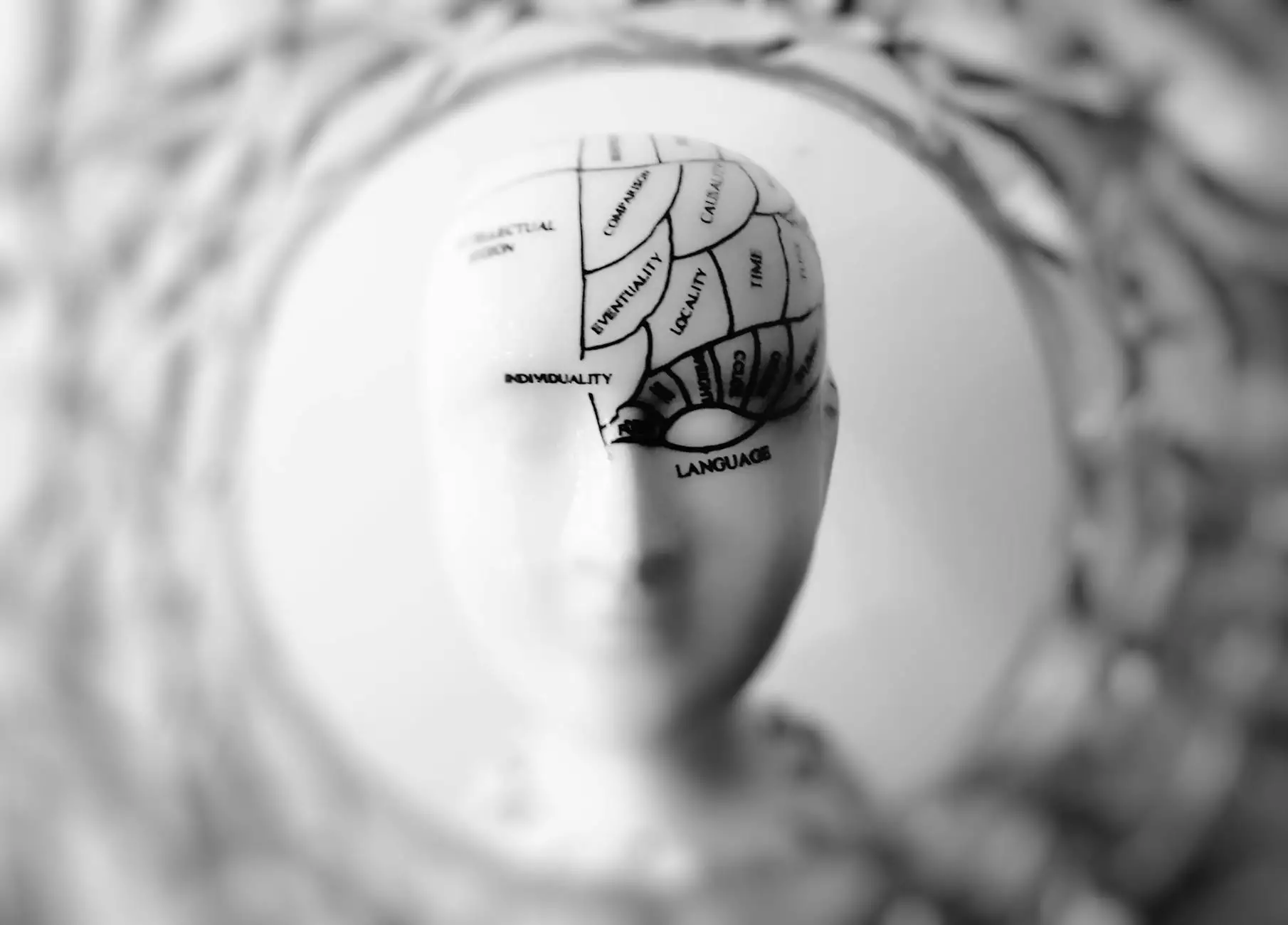
In the vast landscape of human psychology and decision-making, the unconscious determinants of free decisions in the human brain hold a remarkable position. These determinants are fundamental to understanding *how we think*, *what motivates us*, and *why we make the choices we do*. In business, especially within the realms of health and medical services, comprehending these unconscious processes can lead to better strategies in counseling and mental health practices.
The Brain and Decision Making
The human brain is a complex organ responsible for processing information, emotions, and experiences. At the heart of decision making lies the intricate interplay between conscious and unconscious thought processes. While many decisions appear to be made through rational deliberation, a significant portion occurs below the surface of awareness.
The Role of the Unconscious Mind
Research in psychology has demonstrated that much of our decision-making is influenced by unconscious biases and heuristics. These processes can stem from various factors, including:
- Personal Experiences: Life experiences shape our perceptions and preferences without conscious awareness.
- Implicit Associations: Our brains create connections that inform judgments and evaluations, often outside our conscious awareness.
- Emotional Responses: Decisions are frequently guided by emotions rather than purely rational thinking.
- Social Influences: The opinions and behaviors of those around us can unconsciously sway our decisions.
Implications for Business in Health and Medical Fields
For businesses in the health and medical sectors, understanding the unconscious determinants of free decisions in the human brain can enhance customer engagement and satisfaction. Here are several ways this knowledge can be applied:
1. Tailoring Marketing Strategies
Targeted Marketing: By recognizing the emotional triggers that influence potential clients, businesses can develop marketing strategies that resonate on a deeper level. For instance, a mental health counseling center might highlight stories of recovery and transformation to attract individuals seeking assistance.
2. Improving Client Relationships
Building Rapport: Understanding how clients unconsciously evaluate therapists can aid in fostering trust. Professionals can enhance their interpersonal skills and emotional intelligence to create a welcoming environment that encourages open dialogue.
3. Enhancing Service Delivery
Designing Effective Programs: By analyzing patterns in client feedback and behavior, health businesses can refine their services to better meet unconscious needs. This could involve creating support groups that resonate with clients’ underlying feelings of isolation or anxiety.
The Neurological Basis of Decision Making
To fully grasp the unconscious determinants of free decisions in the human brain, it is crucial to delve into the neurological systems involved. The brain consists of several regions that contribute to how we process decisions:
The Prefrontal Cortex
The prefrontal cortex is often associated with complex decision-making. It allows for deliberation and planning. However, many functions related to emotional and social cognition occur in this area without our conscious awareness.
The Limbic System
The limbic system—which includes structures like the amygdala and hippocampus—is primarily responsible for our emotional reactions and memory formation. These emotional responses significantly influence our decisions, often bypassing rational thought.
Educating Clients About Their Decision-Making Process
Clients often have little awareness of the unconscious factors that shape their behavior. By educating them about the unconscious determinants of free decisions in the human brain, health professionals can empower clients to make more informed choices. Here are effective strategies:
Workshops and Seminars
Offering workshops that explain the psychological aspects of decision making can enhance clients’ self-awareness. Through understanding their own unconscious biases and influences, clients can better navigate personal challenges.
Personalized Counseling Approaches
Incorporating insights about unconscious determinants into counseling approaches can address the root of clients’ issues, enabling more effective therapeutic interventions.
Practical Applications in Counseling and Mental Health
Counseling and mental health providers can utilize the understanding of unconscious determinants in practical ways:
1. Cognitive Behavioral Techniques
Cognitive Behavioral Therapy (CBT) is a popular method that helps clients recognize and change negative thought patterns. Integrating insights from unconscious psychology can enhance the effectiveness of these techniques.
2. Mindfulness Practices
Mindfulness encourages awareness of thoughts and feelings without judgment. This practice can help clients become aware of unconscious influences on their behaviors, promoting healthier decision-making processes.
3. Narrative Therapy
Narrative therapy centers around the stories individuals tell about themselves. By exploring these narratives, therapists can uncover unconscious beliefs, enabling clients to reframe their experiences and make empowered choices.
The Future of Decision Making in the Health Sector
As comprehension of the unconscious determinants of free decisions in the human brain continues to evolve, the health and medical sectors may witness transformative changes. The integration of behavioral insights in practice can not only improve individual outcomes but also enrich the client-provider relationship.
1. Growing Emphasis on Behavioral Health
As society acknowledges the significance of mental health, behavioral insights will play a vital role in developing programs that address both physical and mental wellness. Tailoring interventions to target unconscious biases will lead to a more comprehensive approach to health.
2. Technology and Decision Support Systems
Advancements in technology may provide tools that analyze decision-making patterns, leading to personalized care models that accommodate individual client needs.
3. Policy Changes Driven by Psychological Insights
With greater awareness of unconscious decision-making, policymakers may re-evaluate public health strategies, emphasizing mental health as a priority and recognizing its complexity.
Conclusion
The unconscious determinants of free decisions in the human brain form the foundation of our decision-making processes. By recognizing their role in business, especially in the health and medical fields, professionals can enhance services and client engagement. As we continue to explore these unconscious influences, we unlock the potential for deeper understanding and more effective support systems, fostering healthier communities.
For businesses in the health and medical sectors, embracing the complexity of human decision-making can lead to innovative approaches that not only meet the needs of clients but also contribute to lasting positive change. With a focus on the unconscious aspects of decision-making, we can pave the way for a future where mental and emotional well-being is prioritized and understood.