The Mardi Hilma Trek: An Unforgettable Journey in Nepal
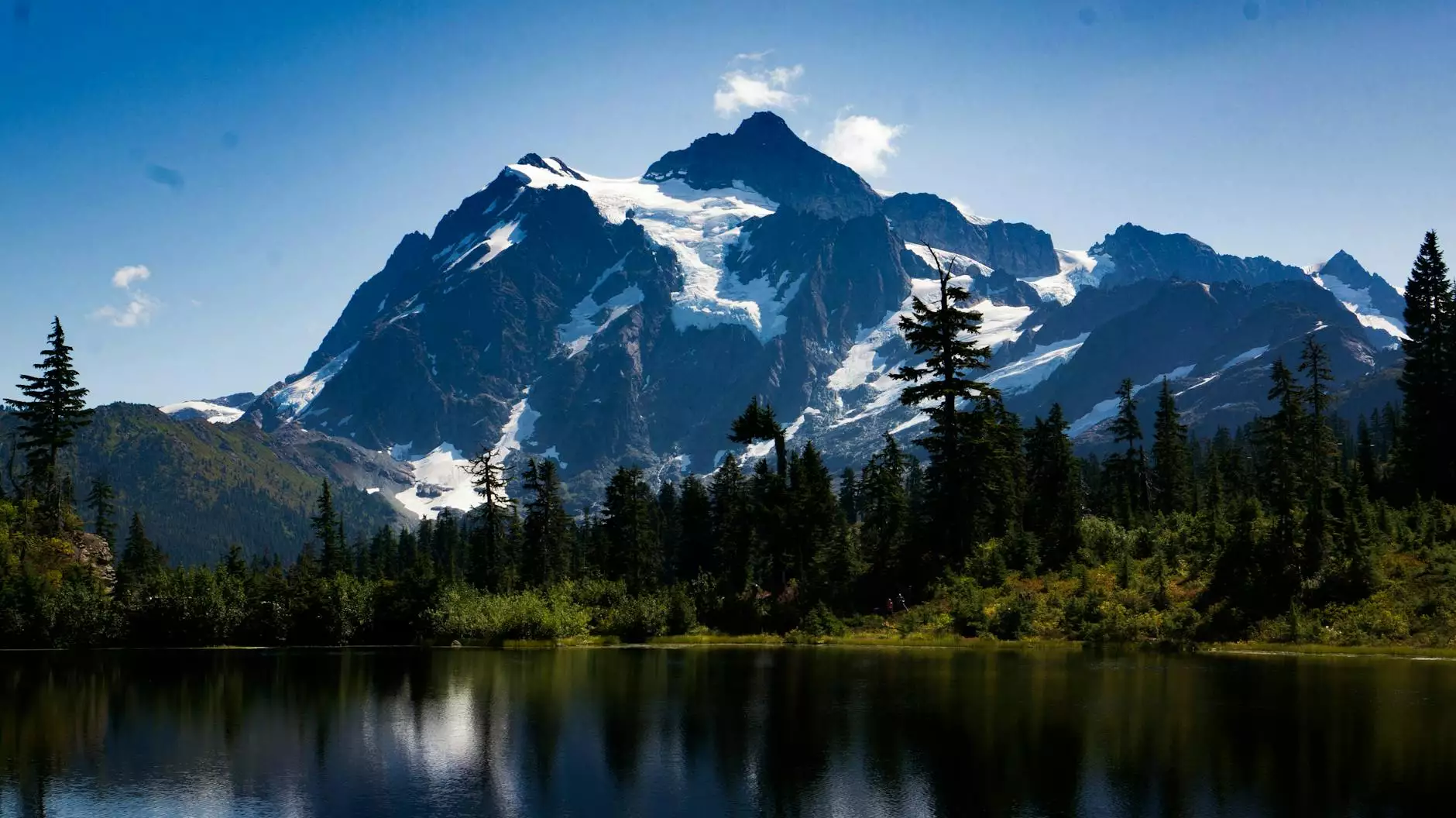
The Mardi Hilma Trek, often mistakenly referred to in different variations, promises an exhilarating adventure through the heart of the Annapurna region in Nepal. This trek not only showcases captivating flora and fauna but also immerses trekkers in the rich cultural tapestry of the local communities. In this comprehensive guide, we’ll delve into the exquisite details of the Mardi Hilma Trek, ensuring you have all the knowledge to embark on this incredible journey.
Understanding the Mardi Himal Trek
Primarily, the Mardi Himal Trek is characterized by its stunning views of the Annapurna mountain range, particularly Mardi Himal itself, which rises to an impressive 5,587 meters (18,330 feet). The trek is a lesser-known alternative to the popular Annapurna Base Camp trek, offering a more serene and less crowded experience, perfect for those who wish to connect deeply with nature.
Why Choose the Mardi Hilma Trek?
The allure of the Mardi Hilma trek lies not only in its majestic scenery but also in its diverse ecosystems. From lush rhododendron forests to open alpine pastures, trekkers encounter a wide array of landscapes in a relatively short span of days. Here are some compelling reasons to choose the Mardi Hilma Trek:
- Breathtaking Views: The trek provides stunning, panoramic views of the Himalayas, particularly the breathtaking Aunnapurna Massif and Machapuchare.
- Less Crowded Trails: Unlike the more famous trekking routes, Mardi Hilma offers peace and tranquility, allowing trekkers to fully embrace the natural beauty.
- Rich Cultural Encounters: This trek crosses through traditional Gurung villages where trekkers can experience authentic Nepalese culture and hospitality.
- Flora and Fauna: The diverse ecosystems are home to various wildlife, including colorful birds and rare plants, enriching the overall trekking experience.
Planning Your Mardi Hilma Trek
Proper planning is crucial for ensuring a successful trek. Here’s a detailed breakdown of what you need to consider:
Best Time to Trek
The ideal seasons for the Mardi Hilma Trek are spring (March to May) and autumn (September to November). During these periods, the weather is stable, and the views are generally clear, offering the best trekking conditions.
Permits Required
To embark on the Mardi Hilma trek, you will need two key permits:
- Trekkers' Information Management System (TIMS) Card: This card is essential for all foreign trekkers and helps in tracking and ensuring safety.
- Annapurna Conservation Area Permit (ACAP): This permit allows trekkers to enter the Annapurna Conservation Area, where the trek is located.
Best Trekking Gear
Equipping yourself with the right gear is vital for comfort and safety during the trek. Here’s a list of essential items:
- Comfortable Hiking Boots: Invest in a quality pair that provides good ankle support and grip.
- Weather-Appropriate Clothing: Layering is the key; include moisture-wicking base layers, insulating mid-layers, and a waterproof outer layer.
- Backpack: A lightweight, comfortable backpack to carry your essentials.
- First Aid Kit: Always carry a basic first-aid kit for emergencies.
- Water Filtration System: Essential for safe drinking water during the trek.
Itinerary for the Mardi Hilma Trek
The typical itinerary for the Mardi Hilma Trek spans about 6 to 9 days, depending on the route you choose. Here’s a sample itinerary:
Day 1: Arrival in Pokhara
Upon arrival in Pokhara, you can spend the day exploring the beautiful lakeside city, enjoying the view of the Annapurna range.
Day 2: Drive from Pokhara to Phedi, Trek to Australian Base Camp
After a short drive to Phedi, the trek begins in earnest with a hike to the Australian Base Camp, where breathtaking views await.
Day 3: Trek from Australian Base Camp to Landruk
Your journey continues to Landruk, a lovely Gurung village where you can experience local culture.
Day 4: Trek from Landruk to High Camp
The ascent to High Camp is steep but rewarding, with stunning views at every turn.
Day 5: Hike to Mardi Himal Base Camp
This day is dedicated to hiking to the Mardi Himal Base Camp. The reward is unmatched views and a sense of achievement.
Day 6: Descend back to Landruk
After soaking in the views, you’ll begin your descent back to Landruk for overnight rest.
Day 7: Return to Pokhara
Complete your trek and drive back to Pokhara, reliving the memories made during your journey.
Tips for a Successful Mardi Hilma Trek
As with any trekking activity, preparation is key. Here are some tips to make the most out of your trek:
- Hydrate: Drink plenty of water before and during your trek to avoid altitude sickness.
- Travel with a Guide: Hiring a local guide can enhance your experience, providing insights into the culture and geography.
- Acclimatization: Take your time to acclimatize properly, especially as you approach higher altitudes.
- Stay Connected: Inform someone about your trekking plans and keep communication devices handy.
Conclusion
The Mardi Hilma Trek is one of the hidden gems of Nepal, offering a spectacular trekking experience in the heart of the Annapurna region. With stunning landscapes, rich cultural interactions, and a sense of adventure, this trek is ideal for both novice and seasoned adventurers. Whether you seek breathtaking views, cultural encounters, or a serene escape into nature, Mardi Hilma offers an unforgettable journey. Start planning your trek today and create memories that will last a lifetime!
Contact Us
If you are ready to take the plunge and embark on the Mardi Hilma Trek, visit our website at My Everest Trip for expert guidance, services, and to book your adventure. Our team is dedicated to providing you with the best trekking experience in Nepal!