Ultimate Guide to Fake Money: Understanding Fake USD Dollars and Their Impact
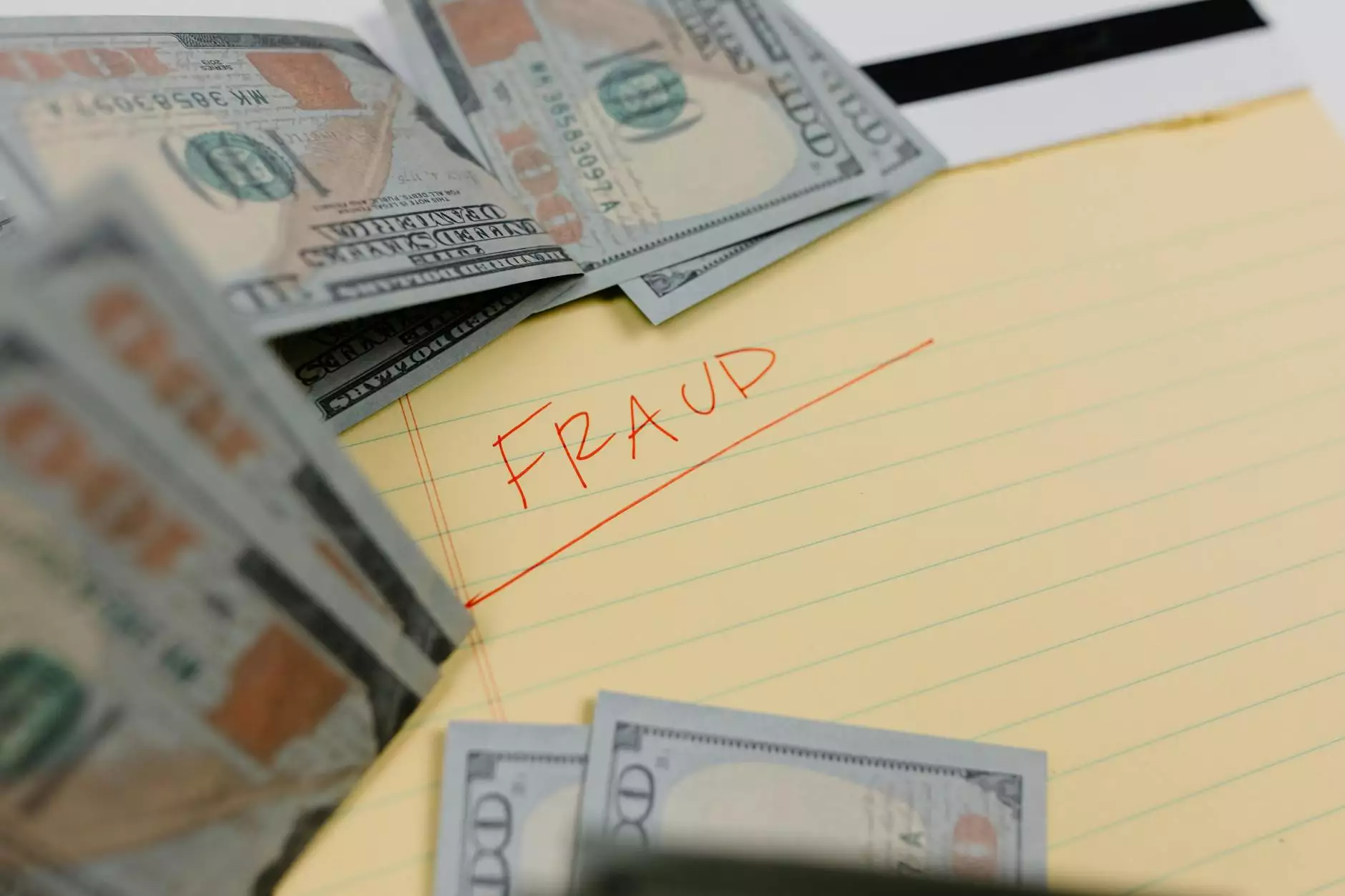
In the modern financial ecosystem, counterfeit currency remains a persistent challenge that affects governments, financial institutions, businesses, and individuals alike. Among the most scrutinized and widely circulated forms of fake money are fake USD dollars, which are often at the center of illegal activities and fraudulent schemes. This comprehensive guide aims to provide an in-depth understanding of fake USD dollars, how they influence the economy, methods of detection, legal implications, and how legitimate businesses can protect themselves in a rapidly evolving landscape.
What Is Fake Money and Why Is It a Significant Concern?
Fake money, or counterfeit currency, refers to banknotes or coins produced illegally with the intent to deceive others into accepting them as genuine. The proliferation of counterfeit money poses a serious threat not only to the integrity of national economies but also to retail businesses, financial institutions, and consumers. The impact manifests in increased financial losses, erosion of trust in currency, and amplified criminal activities.
The Evolution of Fake Currency
- Early Counterfeiting Techniques: Hand-drawn notes, crude imitations.
- Modern Counterfeit Manufacturing: Advanced printing technology, digital replication, and high-quality forgeries.
- Digital and Cryptocurrency: Emerging trends extending into digital fake currencies and scams.
Deep Dive Into Fake USD Dollars: The Most Targeted Currency
The United States dollar (USD) is the world's primary reserve currency, making it a highly attractive target for counterfeiters. Fake USD dollars are produced in various quality levels, ranging from low-grade forgeries to nearly indistinguishable replicas. These counterfeit notes often flood the market, especially in regions with high cash transactions and weak currency detection standards.
Why Are Fake USD Dollars So Prevalent?
- Global Demand: USD's widespread acceptance across borders.
- High Nominal Value: Larger denominations are more profitable for counterfeiters.
- Economic Influence: Manipulation of currency can destabilize local economies.
- Ease of Reproduction: Advances in printing technology have lowered the barriers to production.
Identification of Fake USD Dollars: Key Features and Techniques
Recognizing fake USD dollars is vital for businesses, cash handlers, and individuals. With sophisticated counterfeiting techniques on the rise, relying solely on visual cues can be risky. A multifaceted approach combining multiple detection methods is essential.
Physical Features to Examine
- Paper Quality: Genuine bills are printed on special cotton-linen paper with a distinctive feel.
- Security Thread: Embedded vertically on genuine bills with microprinting that changes color when tilted.
- Watermarks: Real currency features a watermark matching the portrait, visible when held to light.
- Color Shifting Ink: Numerals on genuine notes shift color when viewed at different angles.
- Microprinting: Tiny text details are clear and sharp on authentic bills but blurry or blank on fakes.
Advanced Detection Methods
- Ultraviolet (UV) Light Detection: Genuine notes have security features visible under UV lighting.
- Magnification: Inspect for fine details like microprinting and line structure.
- Comparison Checks: Use genuine banknotes as references for size, color, and print quality.
- Use of counterfeit detection pens: React chemically with regular paper but not with banknote paper.
Legal Implications and Responsibilities of Handling Fake Currency
Engaging with or unknowingly passing counterfeit fake USD dollars has serious legal consequences. Both individuals and businesses must be aware of their responsibilities in handling currency:
- Legal Penalties: Penalties can range from fines to imprisonment, depending on jurisdiction and severity.
- Mandatory Reporting: Businesses are typically required to report suspected counterfeit notes to authorities.
- Protection Measures: Keeping detailed records and employing detection tools helps safeguard against legal liabilities.
Impact on Businesses and Economies
The circulation of fake USD dollars impacts multiple facets of economic health. For businesses, accepting counterfeit bills results in direct financial losses and potential damage to reputation. On a macroeconomic level, high volumes of counterfeit can undermine confidence in the national currency, lead to inflationary pressures, and strain law enforcement resources.
Economic Effects of Fake Money Circulation
- Loss of Revenue: Businesses absorb costs from counterfeit currency passing through their systems.
- Increased Security Costs: Investment in detection equipment and staff training.
- Trust Erosion: Consumers and merchants may become wary of cash transactions.
- Legal and Law Enforcement Expenses: Investigations and judicial proceedings require significant resources.
Strategies to Protect Your Business from Fake Currency
Proactive measures are critical for safeguarding your business from counterfeit currency, especially fake USD dollars. Implementing robust verification procedures not only prevents losses but also maintains customer trust.
Best Practices for Detection and Prevention
- Employee Training: Regular training on recognizing security features and suspicious notes.
- Use of Technology: Invest in counterfeit detectors, UV light scanners, and magnifiers.
- Visual Inspection Protocols: Establish standard procedures for examining every banknote.
- Customer Awareness: Educate staff and customers about common indicators of fake currency.
- Secure Cash Handling: Limit cash processing in high-risk zones and implement daily cash reconciliation.
The Future of Counterfeit Detection and Currency Security
With technological advancements constant and ever-evolving, the fight against fake money is more sophisticated than ever. The advent of digital currencies and blockchain technology offers promising avenues for reducing reliance on physical cash and combating counterfeit issues.
Emerging Technologies in Currency Security
- Holographic Features: 3D holograms that are difficult to reproduce.
- Biometric Verification: Using fingerprint or facial recognition on banknotes and ATMs.
- Blockchain and Digital Tracking: Immutable ledger of currency transactions reduces counterfeit cash circulation.
- Enhanced Printing Techniques: Incorporation of color-shifting inks, transparent windows, and tactile features.
Conclusion: Staying Ahead in the War Against Fake USD Dollars
The battle against fake USD dollars and counterfeit fake money in general is ongoing and requires vigilance, technological adoption, and continuous education. Businesses, law enforcement, and consumers must stay informed and employ multi-layered detection strategies to protect themselves from financial loss and potential legal liabilities.
At undetectedbanknotes.com, we specialize in providing high-quality knowledge, cutting-edge detection tools, and expert advice to navigate the complex world of currency security. By understanding the intricacies of counterfeit detection, embracing technological innovations, and adhering to legal protocols, you can safeguard your business and contribute to maintaining the integrity of the financial system.
Remember, informed and proactive actions are your best defenses against the pervasive threat of fake USD dollars and counterfeit currency. Stay vigilant and keep your operations secure with the latest solutions and expert guidance available today.