Comprehensive Guide to Dental Implants Cost: Understanding Your Investment in Smiles
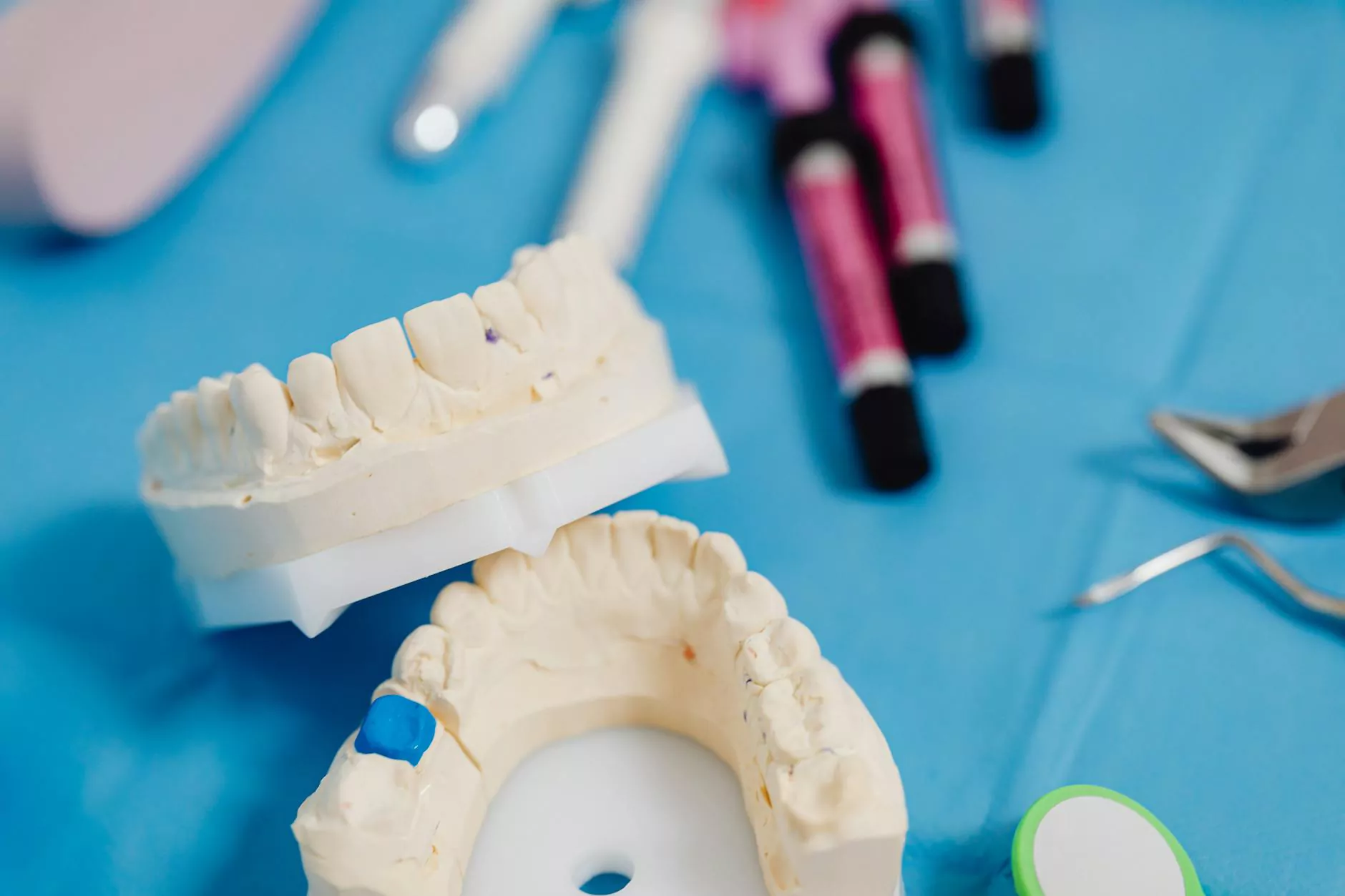
When it comes to restoring your smile and improving oral health, dental implants are considered the gold standard. They offer a durable, natural-looking solution for replacing missing teeth, but many potential patients are often concerned about the dental implants cost. This comprehensive guide dives deep into the factors influencing the price, the benefits of investing in dental implants, and how to navigate your options effectively.
What Are Dental Implants?
Dental implants are innovative, titanium-based posts that act as artificial roots for replacement teeth. They are surgically inserted into the jawbone, providing a strong foundation for crowns, bridges, or dentures. Unlike traditional dentures or bridges, dental implants stimulate the jawbone, preventing deterioration and maintaining facial structure.
The Benefits of Choosing Dental Implants
Opting for dental implants offers numerous advantages, including:
- Enhanced Durability: Implants are designed to last a lifetime with proper care.
- Improved Oral Function: They restore biting strength comparable to natural teeth.
- Preservation of Bone Density: Implants stimulate jawbone growth, preventing bone loss.
- Natural Appearance: They seamlessly blend with your natural teeth for a confident smile.
- Improved Comfort: Unlike removable dentures, implants eliminate discomfort and irritation.
Breaking Down the dental implants cost: What Influences the Price?
The dental implants cost can vary widely based on a multitude of factors. It is essential to understand each aspect to make an informed investment in your dental health:
1. The Number of Implants Needed
The total cost is significantly influenced by how many implants are required. Single-tooth implants are less expensive per unit than multiple implants or full-mouth restorations. However, multiple-unit treatments can sometimes offer cost efficiencies.
2. Type of Dental Implant
Different types of implants—such as endosteal, subperiosteal, or zygomatic implants—come with varying costs. The choice depends on your jawbone structure and specific dental needs, which your surgeon will determine.
3. Material Quality and Brand
High-quality materials, such as premium titanium or zirconia, can influence the overall price. Renowned brands and advanced implant systems may also command higher fees but often offer better longevity and success rates.
4. The Complexity of the Procedure
Complex cases requiring bone grafts, sinus lifts, or other preparatory procedures will naturally increase the overall dental implants cost. These additional procedures ensure the longevity and success of the implant but add to the expense.
5. Geographic Location and Dental Provider
Implant costs can vary significantly based on where you are located and the reputation of the dental clinic or specialist. Urban centers and renowned clinics tend to have higher fees but often offer advanced technology and highly experienced professionals.
6. Post-Operative Care and Follow-Up
Follow-up visits, additional treatments, and potential adjustments also contribute to the total investment in dental implant therapy.
Average dental implants cost in Different Regions
Understanding regional differences helps set realistic expectations. Examples include:
- United States: Typically ranges from $3,000 to $4,500 per implant, including procedure and materials.
- Europe: Generally between €2,000 and €4,000, factoring in different country-specific healthcare costs.
- Asia: More affordable options, often between $1,500 and $3,000, with quality clinics available.
Cost Comparison: Dental Implants vs. Other Tooth Replacement Options
When considering the dental implants cost, it’s essential to compare them with alternative options:
- Traditional Dentures: Usually range from $1,000 to $3,000, but have a shorter lifespan and comfort issues.
- Dental Bridges: Cost between $2,000 and $5,000 for a bridge, but often require adjacent teeth to be altered.
- All-on-4 Implants: A comprehensive solution for full-arch restoration, typically costing between $15,000 and $30,000 per arch.
While initial costs for dental implants might be higher, their durability, functionality, and health benefits often make them more cost-effective over the long run.
Financial Considerations and Options for Affording Dental Implants
Because of the investment involved, many patients seek ways to make dental implant therapy more affordable:
- Dental Insurance: Some plans provide partial coverage, especially if implants are deemed medically necessary.
- Dental Financing: Many clinics, including those part of wupdoc.com, offer payment plans that spread the cost over months or years.
- Flexible Payment Options: Use of health savings accounts (HSAs) or flexible spending accounts (FSAs) can help offset costs.
- Medical Tourism: Traveling to regions with lower procedure costs can reduce expenses significantly, but should be approached carefully with reputable providers.
Is the Investment in Dental Implants Worth It?
The answer is often a resounding yes. While the dental implants cost may appear high initially, the lifetime benefits far outweigh the expense. Implants provide a longstanding solution, preserve facial aesthetics, improve quality of life, and prevent future health issues related to bone loss and dental misalignment.
Moreover, well-maintained implants can last decades, making them a superior investment compared to shorter-term solutions that require frequent replacements or adjustments.
How to Maximize the Value of Your Dental Implant Investment
To ensure your investment results in optimal results:
- Choose Experienced Professionals: Select a surgeon or dental specialist with extensive experience and positive patient reviews.
- Prioritize Quality Materials: Opt for reputable implant systems to enhance longevity.
- Maintain Excellent Oral Hygiene: Regular brushing, flossing, and professional cleanings extend the lifespan of your implants.
- Follow Post-Operative Instructions: Proper recovery and care help prevent complications and additional costs.
- Schedule Regular Check-Ups: Routine visits ensure early detection of potential issues and ongoing implant health.
Conclusion: Making an Informed Decision about dental implants cost
Understanding the various factors that influence dental implants cost empowers you to make a well-informed decision aligned with your financial situation and health goals. Remember that quality, durability, and reputation often reflect the price, but the long-term benefits significantly justify the initial investment. For personalized consultation and expert guidance, visit wupdoc.com, where skilled doctors and specialists are committed to elevating your dental health and overall well-being.
Investing in dental implants is more than a cosmetic choice; it's a health decision that can improve your quality of life for decades to come. Carefully weigh your options, consider the value of quality care, and consult with trusted professionals to ensure your smile remains beautiful and functional for years ahead.