
Comprehensive Guide to Non-Invasive Vascular Testing and Its Impact on Vascular Medicine
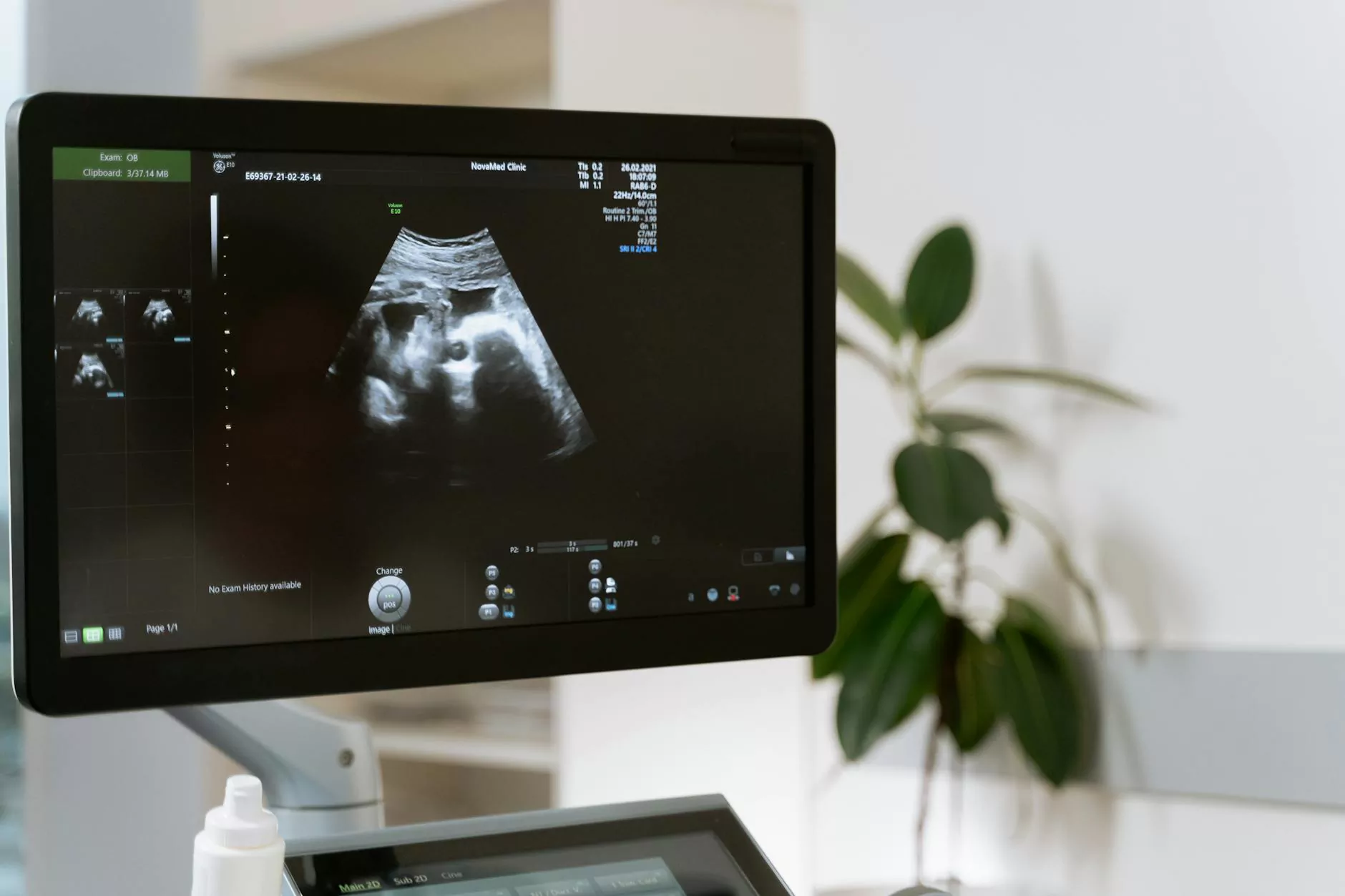
In the rapidly evolving field of vascular medicine, accurate diagnosis and early detection of vascular conditions are crucial for effective treatment and improved patient outcomes. One of the most significant advancements in recent years is the development and widespread adoption of non invasive vascular testing. This cutting-edge diagnostic approach offers a safer, more comfortable, and highly precise alternative to traditional invasive procedures, transforming the way vascular health is assessed and managed.
Understanding Non-Invasive Vascular Testing: What Is It and How Does It Work?
Non invasive vascular testing refers to a variety of diagnostic procedures that evaluate the functioning of blood vessels without the need for surgical intervention or catheterization. These tests typically utilize advanced imaging technologies, Doppler ultrasound, and other safe techniques to measure blood flow, vessel structure, and pressure dynamics. The primary goal is to detect abnormalities such as blockages, narrowing, or aneurysms early enough to intervene effectively.
Unlike traditional invasive tests, which may require catheter insertion or contrast dyes, non invasive vascular testing minimizes patient discomfort, risk of infection, and recovery time, making it highly suitable for routine screening and ongoing monitoring. Today, specialists in vascular medicine, including clinics like Truffle Vein Specialists, rely heavily on these tools to deliver accurate, timely, and patient-friendly diagnostics.
The Key Benefits of Non-Invasive Vascular Testing in Modern Medicine
- Enhanced Patient Safety: Eliminates risks associated with invasive procedures, such as bleeding, infection, and vessel injury.
- Comfort and Convenience: Procedure typically involves painless imaging, often performed in outpatient settings with minimal preparation.
- Real-Time Results: Provides immediate insights into vascular health, facilitating swift clinical decision-making.
- Early Detection: Capable of identifying vascular issues before symptoms manifest, enabling preventive care.
- Cost-Effectiveness: Reduces healthcare costs by avoiding unnecessary invasive tests and hospital stays.
- Monitoring Disease Progression: Useful for tracking the progression of vascular conditions over time with comparative imaging.
- Accessible and Versatile: Suitable for a wide range of patients, including those with comorbid conditions or heightened procedural risks.
Types of Non-Invasive Vascular Tests and Their Applications
1. Doppler Ultrasound
The cornerstone of non invasive vascular testing, Doppler ultrasound utilizes high-frequency sound waves to visualize blood flow within vessels. It provides detailed information about flow velocity, direction, and turbulence, essential for diagnosing conditions like deep vein thrombosis, peripheral arterial disease, and carotid artery stenosis.
2. Ankle-Brachial Index (ABI) Testing
ABI compares blood pressure measurements at the ankle and arm to detect peripheral artery disease (PAD). It's a simple, inexpensive test that can flag early circulatory problems, guiding further diagnostic procedures or treatment plans.
3. Transcranial Doppler (TCD) Ultrasonography
TCD evaluates cerebral blood flow, assisting in detecting intracranial stenosis or occlusions. It plays a vital role in stroke risk assessment and monitoring.
4. Pulse Volume Recording (PVR)
PVR measures changes in blood volume within limbs to assess arterial insufficiency and venous reflux. It is valuable in diagnosing conditions like venous reflux disease and arterial blockages.
5. Photoplethysmography (PPG)
PPG uses light-based sensors to monitor blood volume changes, especially useful for evaluating venous insufficiency and peripheral vascular health.
How Non-Invasive Vascular Testing Shapes Patient Care and Outcomes
The adoption of non invasive vascular testing has profoundly impacted patient care in multiple ways. Firstly, it has made vascular diagnostics more accessible, allowing for widespread screening of at-risk populations such as those with diabetes, hypertension, or a history of smoking. Early detection through these tests enables clinicians to implement lifestyle modifications, medications, or interventions before severe complications develop.
Additionally, non invasive vascular testing enhances the precision of diagnosis, ensuring patients receive appropriately targeted treatments. For instance, identifying peripheral arterial disease at an early stage can lead to interventions such as angioplasty or stenting that restore blood flow and prevent limb loss.
The ability to monitor disease progression through follow-up tests also helps physicians adjust treatments over time, optimizing patient outcomes. This ongoing assessment is particularly critical for managing chronic vascular conditions.
The Role of Vascular Specialists and Clinics Like Truffle Vein Specialists
Truffle Vein Specialists exemplifies the modern approach to vascular health, integrating state-of-the-art non invasive vascular testing into comprehensive patient care. Vascular specialists in such clinics focus on early diagnosis, minimally invasive treatments, and preventive strategies tailored to individual needs.
The expertise of these specialists ensures accurate interpretation of test results, prompt diagnosis, and personalized intervention plans. Their focus on patient comfort, safety, and education helps foster a positive healthcare experience and encourages proactive vascular health management.
Future Trends and Innovations in Non-Invasive Vascular Testing
As technology advances, non invasive vascular testing is poised to become even more sophisticated. Emerging trends include:
- Artificial Intelligence (AI) Integration: AI algorithms enhance image analysis and diagnostic accuracy, enabling predictive modeling and better risk stratification.
- 3D and 4D Imaging Technologies: These modalities provide more comprehensive views of vascular anatomy and flow dynamics, improving detection of complex lesions.
- Portable Devices: Handheld, point-of-care ultrasound and other portable tools expand access to vascular assessments in remote or underserved areas.
- Enhanced Patient Monitoring: Continuous non-invasive blood flow monitoring using wearable devices could revolutionize chronic disease management.
Conclusion: Embracing Non-Invasive Vascular Testing for a Healthier Future
The evolution of non invasive vascular testing marks a significant milestone in the field of vascular medicine. It enhances diagnostic precision, patient safety, and treatment efficiency, ultimately contributing to improved health outcomes and quality of life. Clinics like Truffle Vein Specialists are at the forefront of this healthcare revolution, offering advanced, patient-centered vascular diagnostics and therapies.
As technology continues to advance, the scope and effectiveness of non invasive vascular testing will only increase, promising a future where vascular diseases are detected early, managed effectively, and prevented altogether. Embracing these innovations is essential for patients, healthcare providers, and the broader medical community committed to advancing vascular health.


