In-Depth Guide to the Procedure for a Hysterectomy: Expert Insights from Leading Obstetricians & Gynecologists
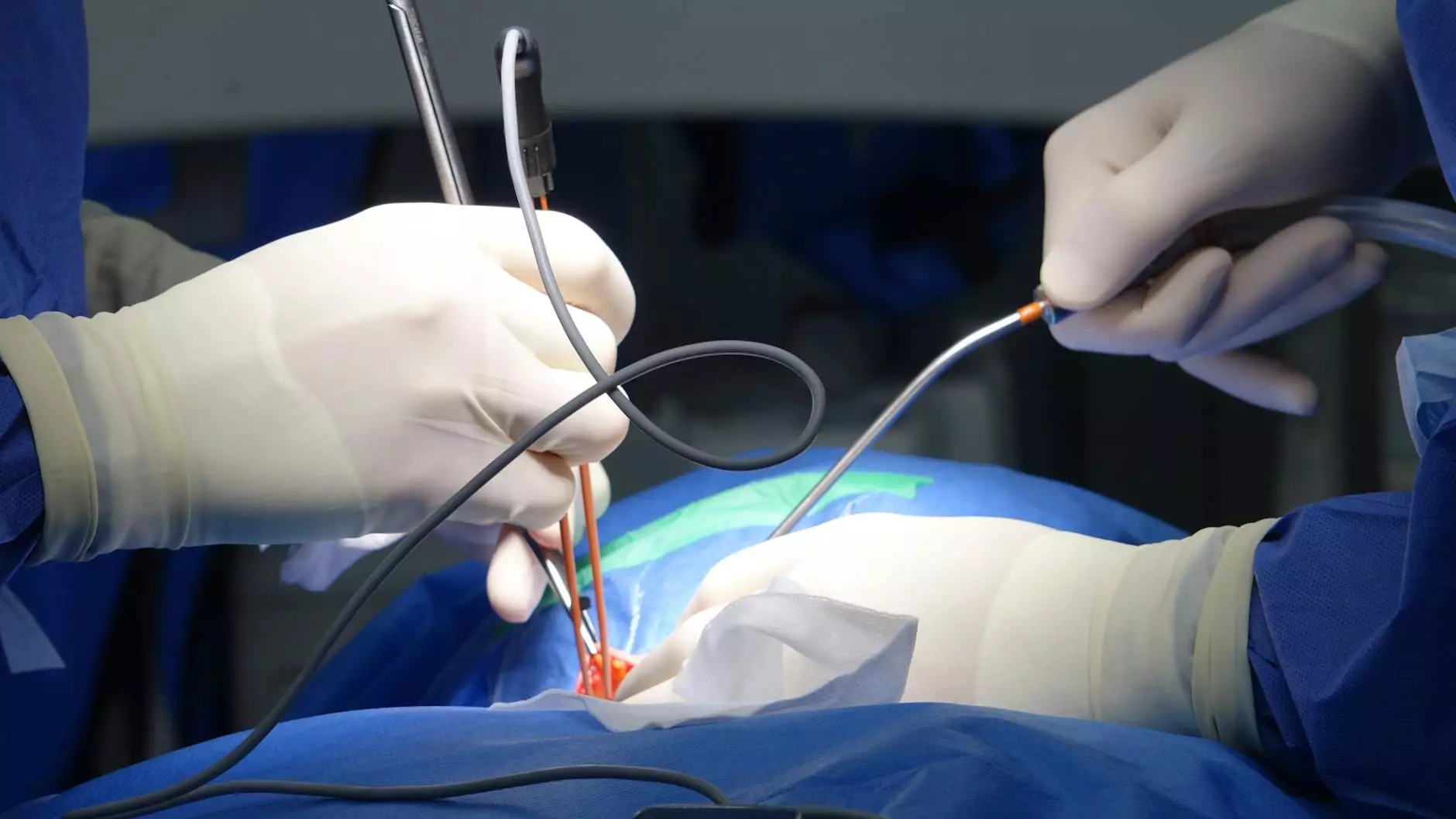
In the realm of women’s health, surgical procedures such as hysterectomy are vital interventions that can significantly improve quality of life when performed for appropriate medical reasons. At drseckin.com, a premier platform connecting patients with renowned obstetricians & gynecologists, understanding the procedure for a hysterectomy is essential for patients exploring their treatment options. This comprehensive guide offers insights into the different types of hysterectomy, surgical procedures, preparation, recovery, and the importance of choosing experienced specialists for optimal outcomes.
Understanding the Hysterectomy: What Is It?
A hysterectomy is a surgical operation that involves the removal of the uterus. It may sometimes involve the removal of other reproductive organs such as the cervix, fallopian tubes, and ovaries depending on the medical necessity. This procedure is typically recommended for conditions such as fibroids, endometriosis, uterine prolapse, chronic pelvic pain, abnormal bleeding, or cancer.
Types of Hysterectomy: Tailoring Surgery to Patient Needs
1. Total Hysterectomy
This is the most common type, involving removal of the entire uterus along with the cervix. It is suitable for many benign and malignant conditions.
2. Subtotal or Partial Hysterectomy
In this procedure, only the uterine body is removed, leaving the cervix intact. It is often chosen for benign conditions when preservation of the cervix is desired.
3. Radical Hysterectomy
This extensive surgery involves removal of the uterus, surrounding tissues, the upper part of the vagina, and possibly lymph nodes. It is primarily performed for cervical or other gynecologic cancers.
4. Hysterectomy with Oophorectomy and Salpingectomy
Sometimes, the ovaries and fallopian tubes are also removed during hysterectomy, especially in women approaching menopause or with certain medical conditions.
The Procedure for a Hysterectomy: Step-by-Step Overview
Preoperative Consultation and Evaluation
The process begins with a detailed assessment involving medical history, physical examination, imaging studies like ultrasound or MRI, and laboratory tests. The goal is to confirm diagnosis and determine the most appropriate surgical approach.
Choosing the Surgical Method
- Abdominal hysterectomy — through an incision in the lower abdomen.
- Vaginal hysterectomy — through the vagina, involving no external incisions.
- Laparoscopic hysterectomy — minimally invasive, using small incisions and a camera.
- Robotic-assisted hysterectomy — utilizing advanced robotic systems for precision.
Preparing for Surgery
Preparations include fasting, bowel prep if necessary, and discussing anesthesia options with the surgical team. Patients are advised to arrange transportation and post-surgical support. It’s crucial to inform the surgeon of any medications, allergies, or underlying health conditions.
Executing the Procedure
Step 1: Anesthesia
The patient is administered general anesthesia ensuring full comfort during surgery.
Step 2: Surgical Approach
The chosen method (abdominal, vaginal, laparoscopic, or robotic) guides the approach. The surgeon proceeds to access the uterus carefully, minimizing tissue trauma.
Step 3: Removal of Reproductive Organs
The surgeon dissects and removes the uterus, and optionally the ovaries and fallopian tubes, ensuring hemostasis (control of bleeding). Closure of incisions or vaginal cuff is performed meticulously.
Step 4: Recovery and Monitoring
Postoperative monitoring ensures stable vital signs and pain management. Patients are moved to recovery units before transitioning to hospital rooms or home care arrangements.
Recovery and Aftercare: What Patients Should Expect
The recovery period varies depending on the type of hysterectomy performed. Generally, patients can expect:
- Minimal discomfort managed with medications.
- Restriction on heavy lifting and strenuous activities for several weeks.
- Monitoring for signs of infection or complications.
- Follow-up visits with your obstetrician & gynecologist to assess healing progress.
Long-term Considerations
Women who undergo procedure for a hysterectomy will not have menstrual cycles and cannot conceive naturally. However, most patients experience relief from the original symptoms and significant improvements in quality of life. Hormone replacement therapy may be discussed when the ovaries are removed, to manage menopausal symptoms.
Risks and Complications of a Hysterectomy
While the procedure is generally safe, potential risks include:
- Bleeding
- Infection
- Damage to surrounding organs such as the bladder or bowel
- Adverse reactions to anesthesia
- Postoperative adhesions or pelvic pain
Choosing a skilled and experienced obstetrician & gynecologist minimizes these risks significantly.
Why Expert Care at drseckin.com Matters
At drseckin.com, you gain access to top-tier medical professionals specializing in women’s health. Their obstetricians & gynecologists utilize cutting-edge techniques and personalized care approaches to deliver the best possible outcomes for every patient. They prioritize patient education, ensuring you understand every step of your procedure for a hysterectomy and addressing all concerns with compassion and professionalism.
Choosing the Right Specialist for Your Procedure for a Hysterectomy
Successful surgical outcomes depend heavily on the expertise of your surgeon. Here’s what to consider:
- Board certification and specialized training in minimally invasive gynecologic surgery
- Extensive experience with various hysterectomy techniques
- Positive reviews and patient testimonials
- Availability for comprehensive preoperative consultations and postoperative care
Additional Resources and Support for Women Considering Hysterectomy
Deciding on a hysterectomy can be life-changing. Accessing supportive resources, including counseling, support groups, and detailed educational materials, can help you make informed decisions and prepare mentally and physically for the procedure.
Conclusion
Understanding the procedure for a hysterectomy in depth enables women to approach their treatment with confidence. With advances in surgical techniques, the procedure has become safer, less invasive, and associated with faster recovery times. Choosing experienced, compassionate obstetricians & gynecologists like those at drseckin.com ensures personalized care tailored to your specific health needs. If you are exploring treatment options for gynecologic conditions, reaching out to a trusted specialist is the first step toward restoring your health and well-being.
Remember, detailed knowledge and professional guidance are your best allies in navigating the pathway to optimal female reproductive health.